When should a fintech rebrand?
Most fintechs don’t rebrand too early. They rebrand too late, after a year of the brand quietly costing them deals, hires and trust. Here’s how to spot the moment.

Listen to this article
5 min · Read aloud by your browser
5:00

We get asked this a lot, usually by a founder or a new marketing lead who already suspects the answer. Something feels off. The product has moved on, the company has grown, and the brand is still the one somebody made in a weekend before the seed round.
The honest answer is that most fintechs don’t rebrand too early. They rebrand too late. By the time it’s obvious to everyone, the old brand has usually spent a year quietly costing them. Slower sales cycles. Awkward enterprise calls. Candidates who hesitate. Investors who ask, politely, whether the website is going to change.
In financial services that cost is higher than in most markets. Your buyers are being asked to trust you with money, data or compliance. Before they read a word, the brand has already answered one question for them: are these people as serious as they say they are?
So when is the right time? In our experience, it usually lines up with one of six moments.
1. You’ve just raised.
A Series A or B changes who you’re selling to and who you’re hiring. The money says you’re a different size of company now. If the brand still says “three people and a good idea”, there’s a gap, and buyers notice it. Funding is also the rare moment when there’s budget and appetite for the work, so it’s a good time to do it properly rather than patch it.
2. You’re moving upmarket.
Selling to startups and selling to banks are two different conversations. Enterprise buyers do more homework, involve more people and look harder for reasons to say no. A brand built for quick self-serve sign-ups can feel lightweight in a procurement meeting. If your sales deck is doing a lot of apologising for your website, it’s time.
3. The product has outgrown the story.
Maybe you started as a payments tool and you’re now a platform. Maybe AI has changed what the product actually does. When the brand still describes the company you were two years ago, every new hire, every sales call and every press mention has to correct it. That’s expensive, and it adds up.
“The brand should look like where you’re heading, not where you started.”
4. You’ve merged, been acquired, or bought someone.
Two brands, two websites, two sets of customers wondering what happens next. A clear brand decision (keep one, combine them, or start fresh) is one of the fastest ways to show customers and staff that the plan is sorted.
5. You’re expanding into a new market.
A brand that works well at home can read very differently somewhere else. Moving from the UK into the US, or from Europe into the Middle East, is a good moment to check that your name, tone and look travel. It’s much cheaper to fix that before launch than after.
6. Your team can’t use the brand.
This one is easy to miss. If marketing keeps reinventing the slides, every landing page looks a bit different and nobody can find the right logo, the brand isn’t working as a system. This matters more now that teams use AI to make content. AI tools are only as on brand as the rules and assets you give them. A loose brand gets looser, faster.
When a refresh will do.
Not every itch needs a rebrand. Sometimes the bones are good and the brand just needs tightening up. A refresh is usually the right call when:
- People already recognise you and like what they see. That recognition is worth protecting.
- The positioning is still right, but the execution has drifted over time.
- The real problem is the website, not the brand.
- You’re about to change direction but haven’t decided how yet. Rebrand after the decision, not before it.
And a few reasons that aren’t reasons at all: a new competitor launched a nice website, someone senior is bored of the logo, or you want a rebrand to fix a product problem. It won’t.
What it looked like for GTreasury.
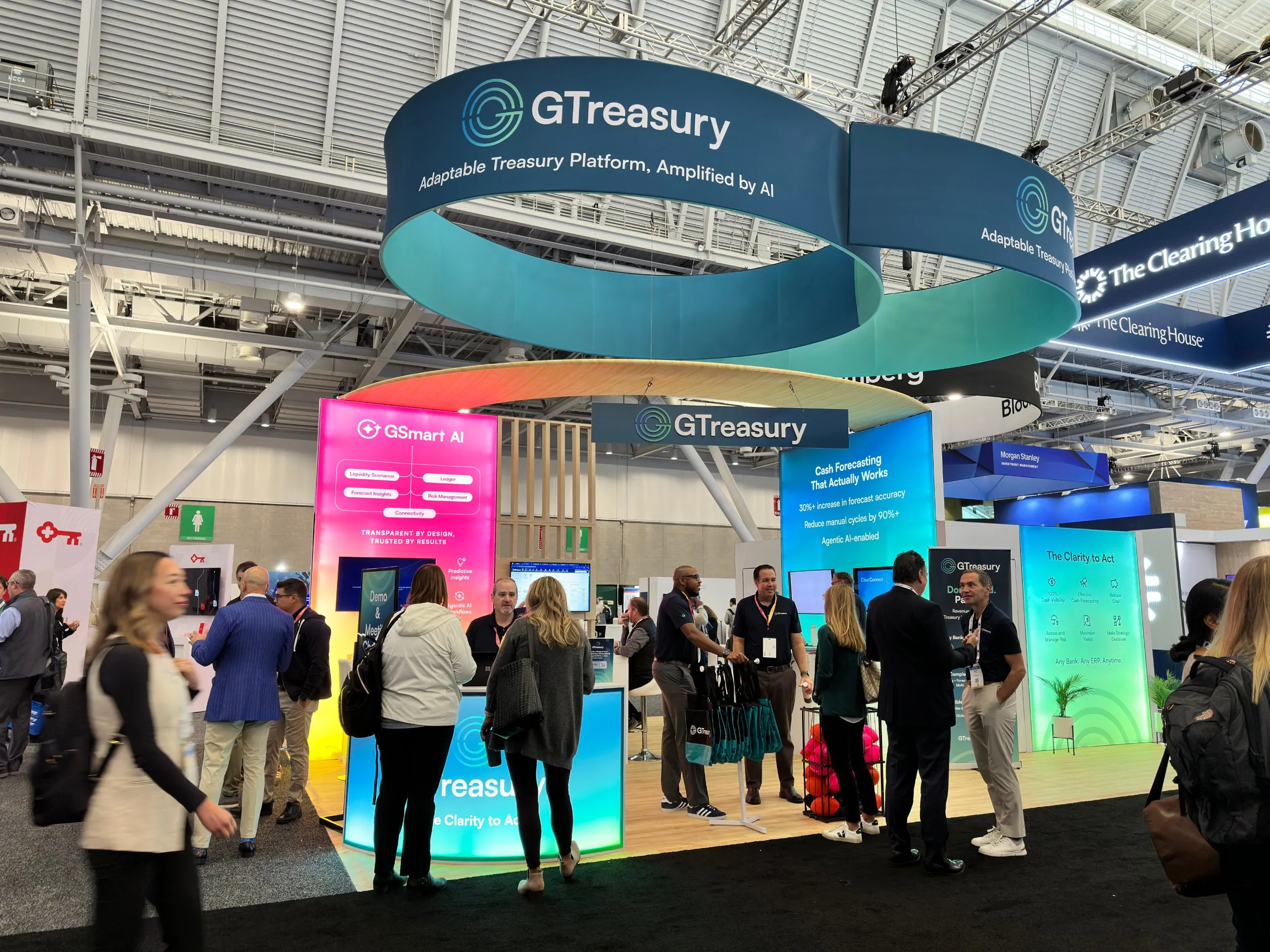
GTreasury is a good example of moments 1 and 2 at once. The treasury platform had grown up and was selling to very large companies, but the identity and website hadn’t kept pace. When an enterprise finance team is deciding who to trust with their cash, that gap matters.
In 2024 we rebranded GTreasury and redesigned its website, then took the new brand to the AFP conference, the busiest event in corporate treasury. Not long after, Ripple bought the company for $1 billion. Because the brand had been built as a system, it could flex into the new parent brand without starting again. Read the full story.
We’re not saying a rebrand gets you acquired. But it does mean that when the big conversations happen, the brand is helping rather than getting in the way.
A quick self-check.
If two or more of these sound familiar, it’s probably time for a proper conversation.
Not sure? That’s what a brand audit is for. In a week we review how your brand stacks up against where the company is heading, and tell you straight whether you need a rebrand, a refresh or neither.