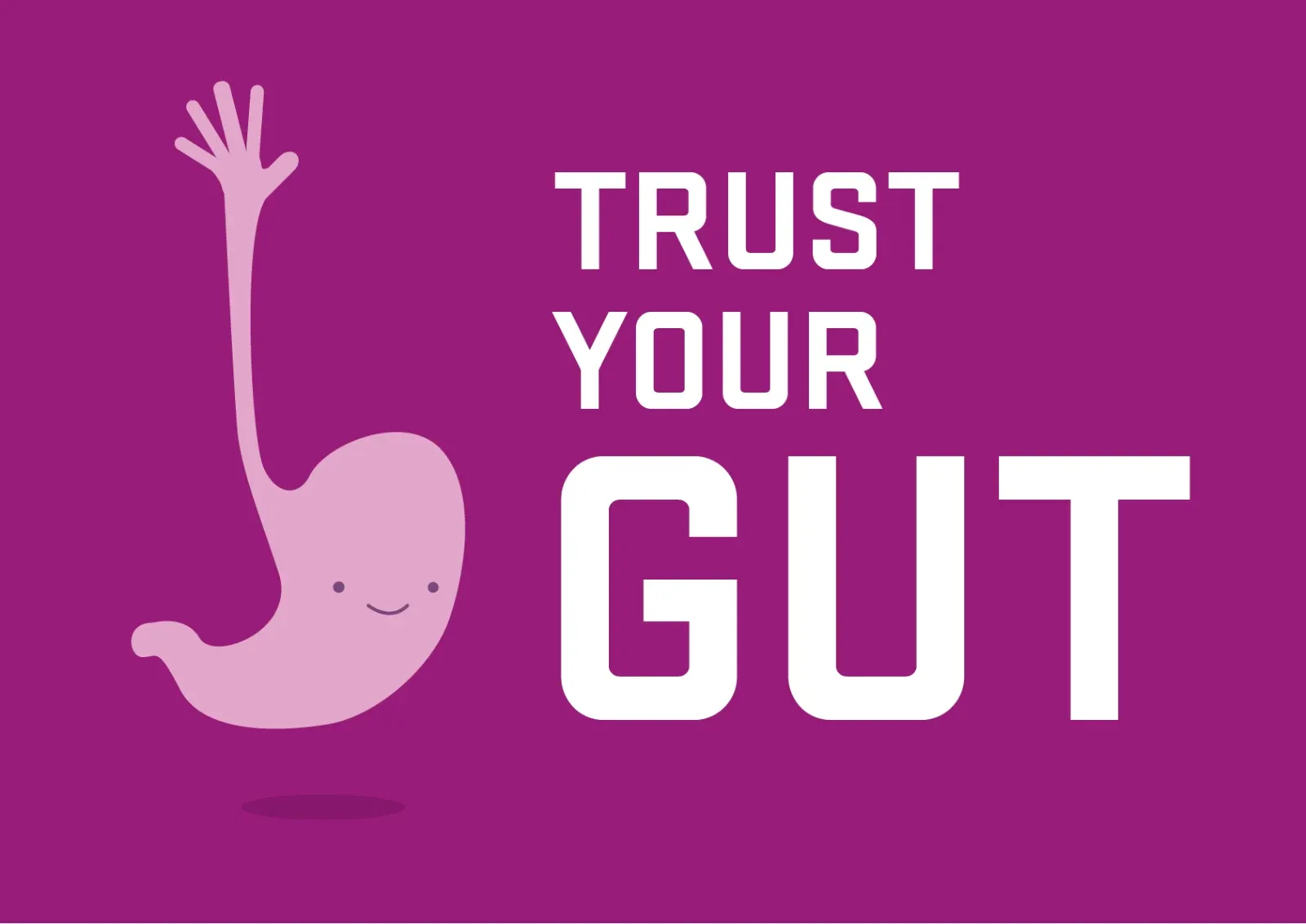
Trust your gut instinct.
A talk on why design by data alone never works, and why designers should trust their instinct.

From the archiveFirst published on our old journal on 20 March 2014. We’ve kept it as it was, so some details and links may be out of date.
This is a talk I gave for Smashing Borders, the SmashingConf Oxford 2014 warm-up party.
Trust your gut. Trust your instinct. You are the design professional. Because more often than not, your gut will be right.
Make mistakes
When I first started out as a designer I made plenty of mistakes, and it isn’t until you’ve made those mistakes that you become more intuitive. Intuition is based on our ability to recognise patterns and interpret cues.
Experience counts
The more experience you have as a designer, the better your design decisions will be. Gut instincts are learned, and we learn them by paying attention to the details in the world around us.
The subconscious mind
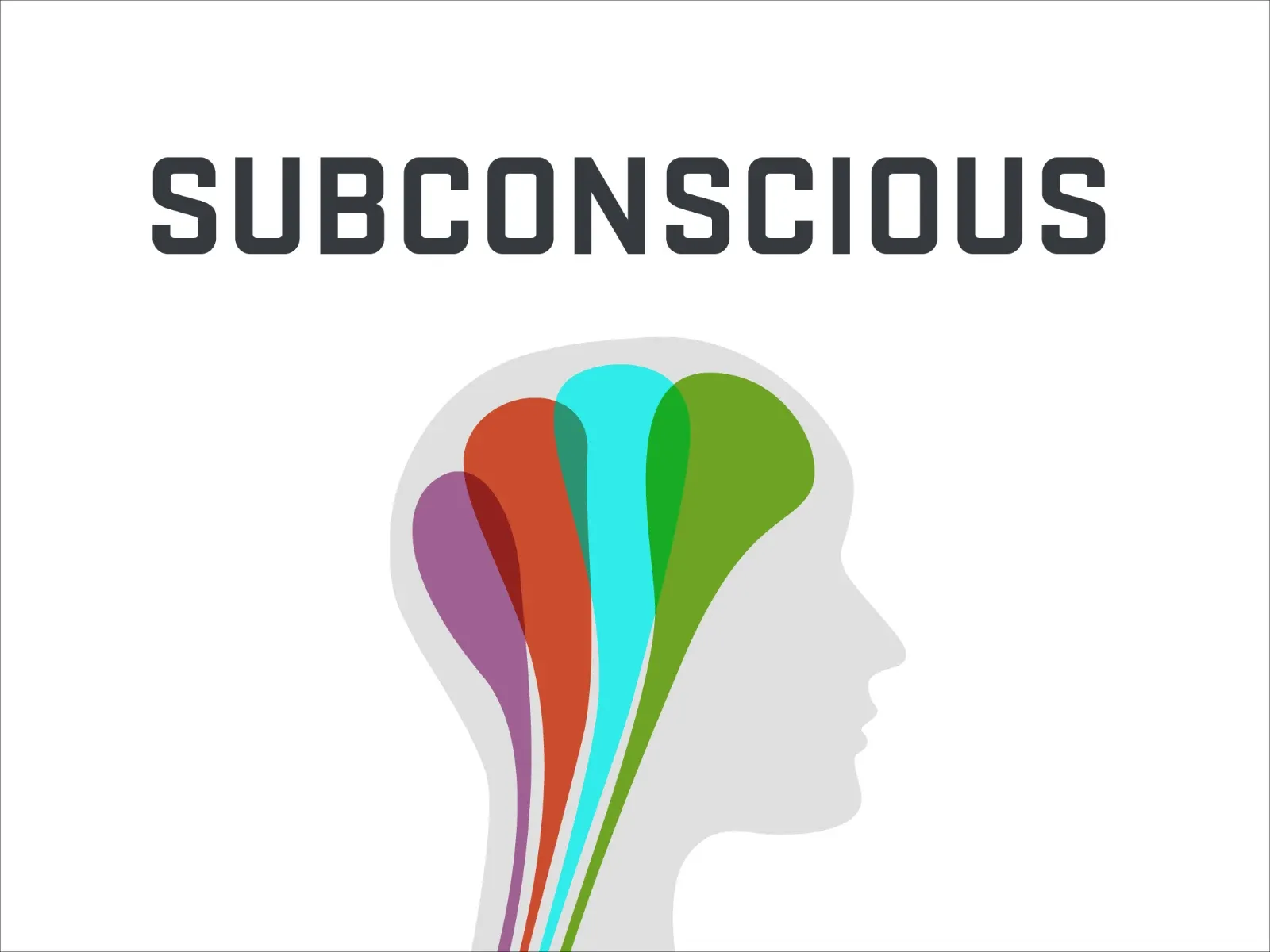
According to a study by the University of Alberta, when we make decisions our subconscious mind is far more powerful than you might think. A lot of the creative decisions we make as design professionals are based on things we’re not really aware of. The subconscious mind is very powerful indeed.
Design intuition
Have you ever been given a brief and quickly knocked out a design, without really thinking through your decisions? Then, once you’ve had time to mull over the complexity of the problem and tried to make more logical decisions based on data, it becomes harder, and the result is invariably not quite as good as the first shot. Have you ever made lots more iterations or concepts, considering the problem in more depth, and then just gone back to the first one?
Hillman Curtis
I once had the privilege of chatting with the late Hillman Curtis. He said that when he designed the Yahoo! homepage, one of the most visited web pages of all time, they gave him reams of user statistics on which shade of blue was best for links.
This was design by data, which typically makes things look and feel bad. It’s design by mass committee. It never works.
Hillman’s reason for using the shade of blue he chose for links was simply that he liked it and it felt right.
That’s design based on instinct, and it works. We need to trust the designer’s instinct. Trust your instinct.
Data vs design instinct
These days analytics measures the effectiveness of every single design decision we make.
Perhaps in future the designer’s role will no longer be required. As engineering and design merge more on the web, we need to make decisions with a good balance of data and instinct.
It’s essential to do user research and see the world through the user’s eyes. Yet user research is really just another stream of data. Yes, let’s use A/B testing. It’s useful, but only for small, tactical improvements, not as the basis for every design decision.
Don’t send a design you’re not happy with
If you’ve got a design concept to show a client or your boss and something doesn’t feel quite right, then it’s probably wrong. Trust your instinct and spend more time making sure the design feels right before you ask for feedback. Only when you’re 100% satisfied with your work should you send it out for review. How else are you going to win those design reasoning battles?
New clients
At Supereight we increasingly decide whether to take on new clients based entirely on a gut feeling.
If the first email or Skype conversation rings any alarm bells, or makes us feel that a client could be a nightmare to work with, we turn it down, however much money they have or however cool the project seems.
Don’t ignore your gut feelings
Most of the time we may use a more traditional, data-informed decision-making process, but we shouldn’t ignore our own gut feelings as part of that process.
Let’s always design with data in mind, but never let it rule what we do or how we do it.