Learning to live with ‘flat design’.
A short rant about a design term, from the year iOS 7 went flat.

From the archiveFirst published on our old journal on 16 August 2013. We’ve kept it as it was, so some details and links may be out of date.
I hate the term ‘flat design’, and particularly referring to colours as ‘flat colours’. It just doesn’t make any sense to me. Perhaps that’s because I come from a print design background. But now it’s all over the internet, so it looks like we all have to live with it.
In 2011 Microsoft gave birth to the Metro UI, now called the Windows 8 UI after legal action from the German company Metro AG over the Metro trademark.
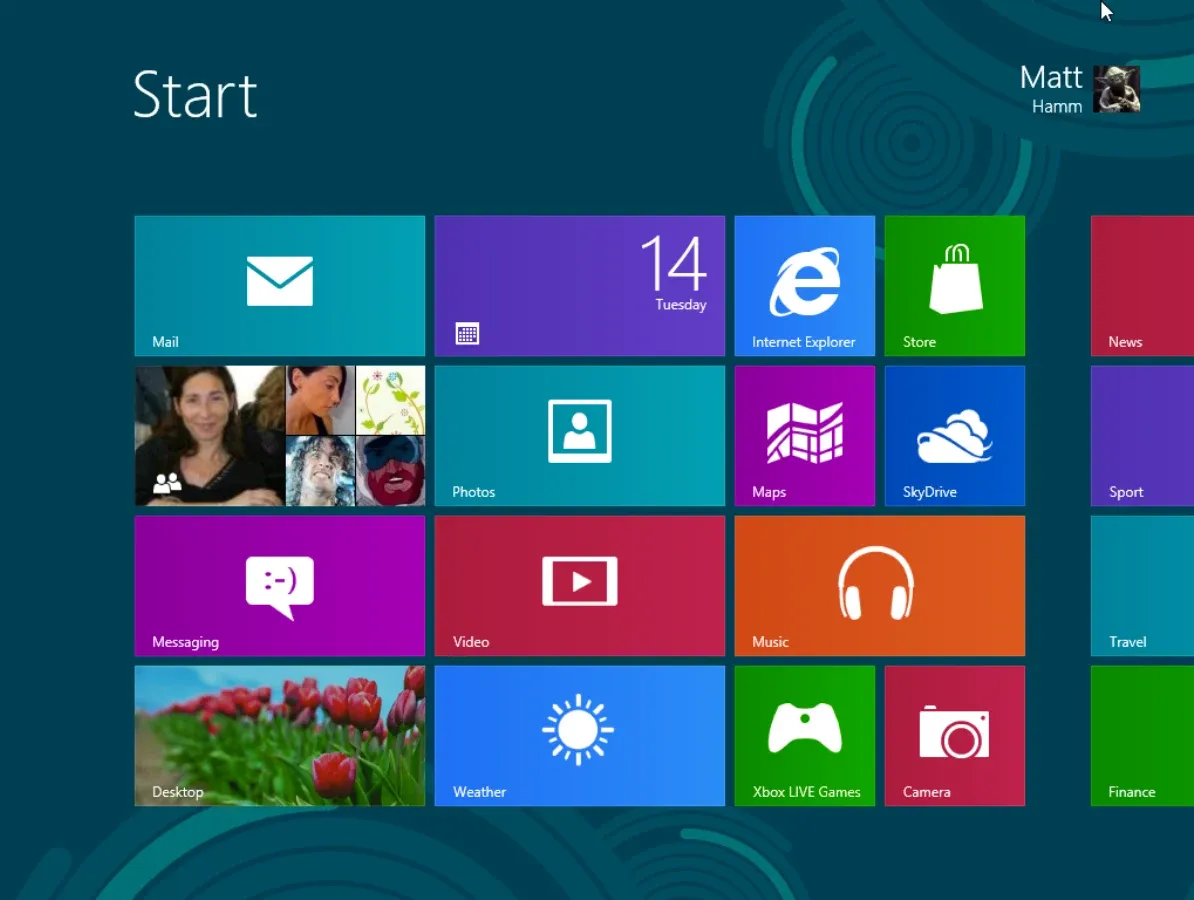
Remember the Microsoft Zune? It was one of the first user interfaces to use this new typography-led style, which was then used for Windows Phone and the Windows 8 UI.
It seems to me that what I call the ‘Metro UI style’ is now being called flat design. It’s essentially based on the principles of Swiss graphic design, developed in the 1950s, which emphasises cleanliness, readability, grid systems and objectivity, with a particular colour palette.
Apple have now ditched skeuomorphism, which mimics real objects as an interactive cue, in their latest operating system, iOS 7, in favour of what’s now called flat design. That means Apple is no longer the leading, pre-emptive design powerhouse it once was in user interface design, and is now drafting behind Microsoft to some degree, which is something I thought would never ever happen.
I suppose I can learn to live with the term ‘flat design’, but I still can’t stand the term ‘flat colour’. Isn’t that just a particular colour palette chosen by the designer? What’s the next trend? Perhaps it’s long shadow design.
Rant over. Let me know your thoughts.